


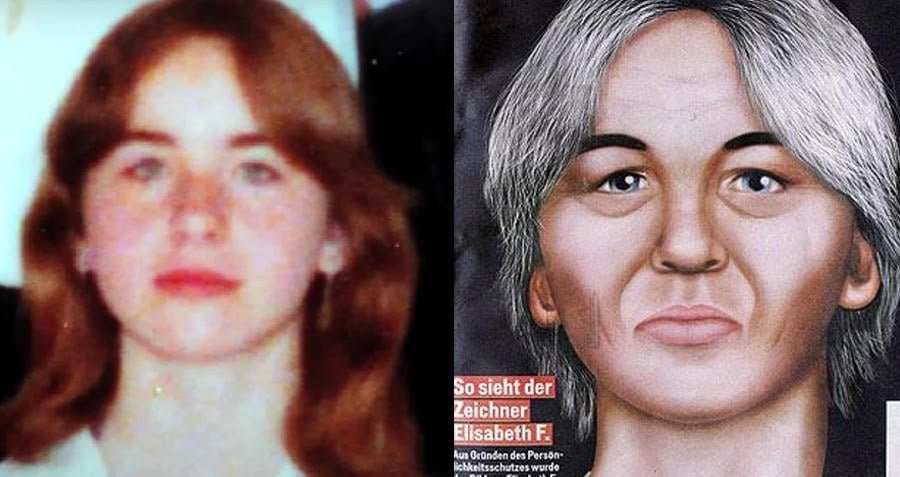
When the Fritzl case became public in 2008, it exposed more than just a hidden cellar beneath a house in Amstetten, Austria. It also revealed a second family living upstairs in the same home — including a child named Lisa, who had been raised under a completely fabricated story about who she was and where she came from.
This article covers what is publicly confirmed about Lisa Fritzl: her place in the family, how she came to live upstairs with Josef and Rosemarie Fritzl, how her childhood compared to her siblings kept in the cellar, and what happened after the case came to light in 2008. Where public information is limited, this article says so clearly rather than filling gaps with speculation.
Who Lisa Fritzl Is?
Lisa Fritzl is one of seven children born to Elisabeth Fritzl. Elisabeth was held captive by her own father, Josef Fritzl, in a hidden cellar beneath the family home in Amstetten, Austria, for 24 years.
Josef Fritzl was both Elisabeth’s father and the biological father of her children. That makes the family relationships unusually complex and difficult to summarize simply. Lisa is commonly reported to have been born in August 1992, though exact birth dates from secondary sources should be treated with some caution.
Lisa is publicly known only because of her connection to one of Austria’s most documented criminal cases. She did not seek public attention, and she has not made public statements about her life or experiences. She was a child born into circumstances entirely outside her control.
The False Story Josef Used to Explain Lisa’s Presence
When Lisa was an infant, Josef Fritzl staged her “discovery” as an abandoned baby left outside the family home. A handwritten note was presented — allegedly from Elisabeth — asking Josef and Rosemarie to take the child in and raise her.
This fabricated story allowed Josef to explain Lisa’s presence to neighbors, local authorities, and even Rosemarie herself, all without revealing that Elisabeth was imprisoned in the cellar below. It was a deliberate deception designed to make an unusual situation appear ordinary.
The same method was reportedly used at different points when two other children, Monika and Alexander, were also brought upstairs into the household. A fake note attributed to Elisabeth was used each time to justify the children’s appearance.
It is important to be clear: Lisa had no knowledge of or involvement in this deception. She was an infant. She was a victim of the circumstances Josef created, not a participant in them.
How Lisa’s Childhood Differed From Her Siblings in the Cellar?
Six of Elisabeth’s seven children survived. Of those six, three — Lisa, Monika, and Alexander — were raised upstairs by Josef and Rosemarie Fritzl. Three others — Kerstin, Stefan, and Felix — spent significant portions of their childhoods in the hidden cellar with Elisabeth. A seventh child, Michael, died shortly after birth in the cellar.
The children raised upstairs were told they were abandoned grandchildren taken in by the family. They attended school and had contact with the outside world. Their lives, while shaped by Josef’s deception, were not spent in physical confinement.
The children kept in the cellar had almost none of that. For years, they had no access to daylight, no formal education, and no contact with anyone outside the cellar. The contrast between the two groups reflects just how calculated and compartmentalized Josef’s abuse was.
Using straightforward language here matters. “Children raised upstairs” and “children kept in the cellar” are factual descriptions that acknowledge the real differences in their circumstances without reducing them to labels.
A Timeline of Key Events Connected to Lisa
A simple chronology helps place Lisa’s story within the broader history of the case:
- 1984: Josef Fritzl locks Elisabeth in the cellar beneath the family home. She is 18 years old.
- 1988: Elisabeth’s first child, Kerstin, is born in the cellar.
- 1990: Stefan is born in the cellar.
- 1992: Lisa is born. Josef later presents her as an abandoned infant found outside the family home, using a forged note attributed to Elisabeth.
- 1994: Monika is born and is later brought upstairs using the same method.
- 1996: Alexander is born and eventually brought upstairs as well.
- 1997: Michael is born in the cellar and dies shortly afterward.
- 1999: Felix is born and remains in the cellar with Elisabeth.
- 2008: Kerstin falls seriously ill and is taken to a hospital. This triggers the investigation that exposes the entire case. Elisabeth and the children from the cellar are freed. The upstairs family, including Lisa, learns the full truth.
The 2008 discovery ended 24 years of captivity. For Lisa and her siblings raised upstairs, it also meant confronting the truth about who they were and where they came from.
What Happened After 2008?
After the case became public, the surviving children — both those raised upstairs and those freed from the cellar — were eventually reunited with Elisabeth. Contemporary reporting confirmed that Lisa, Monika, and Alexander were brought together with their mother and siblings following the exposure of the case.
The family relocated and was given new identities to protect their privacy. Austrian authorities and support organizations worked to help the family rebuild their lives away from public scrutiny. The details of that process were intentionally kept out of the public record.
Josef Fritzl was convicted in 2009 and sentenced to life imprisonment. He has remained in custody since then, with occasional news coverage around reports about his health and legal status. Coverage in more recent years has focused on Josef rather than on Elisabeth or her children.
Why Reliable Public Information About Lisa’s Adult Life Is Limited?
Searches for Lisa Fritzl online return a large number of results, but most of them are secondary sources repeating the same basic details. Very few are based on verified, direct reporting about Lisa’s adult life.
This is not unusual, and it is appropriate. Lisa was a minor when the case became public. She was a victim of circumstances created by someone else. She has not given public interviews or made statements that are part of the confirmed public record. Any claims about her current name, location, occupation, or relationships should be treated with skepticism unless supported by a credible, named source.
For general context on complex family cases and how they are covered responsibly in media, resources like Open Business Point offer useful reference points on accurate and ethical information sharing.
The absence of detail about Lisa’s adult life is not a gap to be filled with guesswork. It is a reflection of the fact that she has chosen — or been helped — to live privately. That choice deserves respect.
What This Case Illustrates About Coercive Family Deception?
Lisa’s story shows how abuse can shape an entire family system, including children who do not know the truth about their own origins. She was raised on a false narrative. The story she was told about herself — that she had been abandoned and taken in by her grandparents — was entirely invented by Josef Fritzl.
Children in that position are not responsible for the deceptions constructed around them. Lisa did not choose her circumstances any more than the siblings she was separated from in the cellar chose theirs. The deception ran in both directions: it kept the upstairs children unaware of the cellar, and it kept the cellar hidden from the world.
Understanding that distinction matters when discussing the Fritzl case. All of Elisabeth’s children were, in different ways, victims of the same person and the same system of control.
In Closing
Lisa Fritzl is publicly known because of her family connection to one of the most serious criminal cases in Austrian history. She was born in 1992, raised upstairs in the Fritzl household under a fabricated story, and reunited with her mother and siblings after the case was uncovered in 2008.
Beyond those confirmed facts, reliable public information about her life is limited — and that is appropriate. She was a child victim of circumstances she did not create. The most accurate and respectful thing that can be said about Lisa’s adult life is that it is, rightly, her own.
Read Also: