


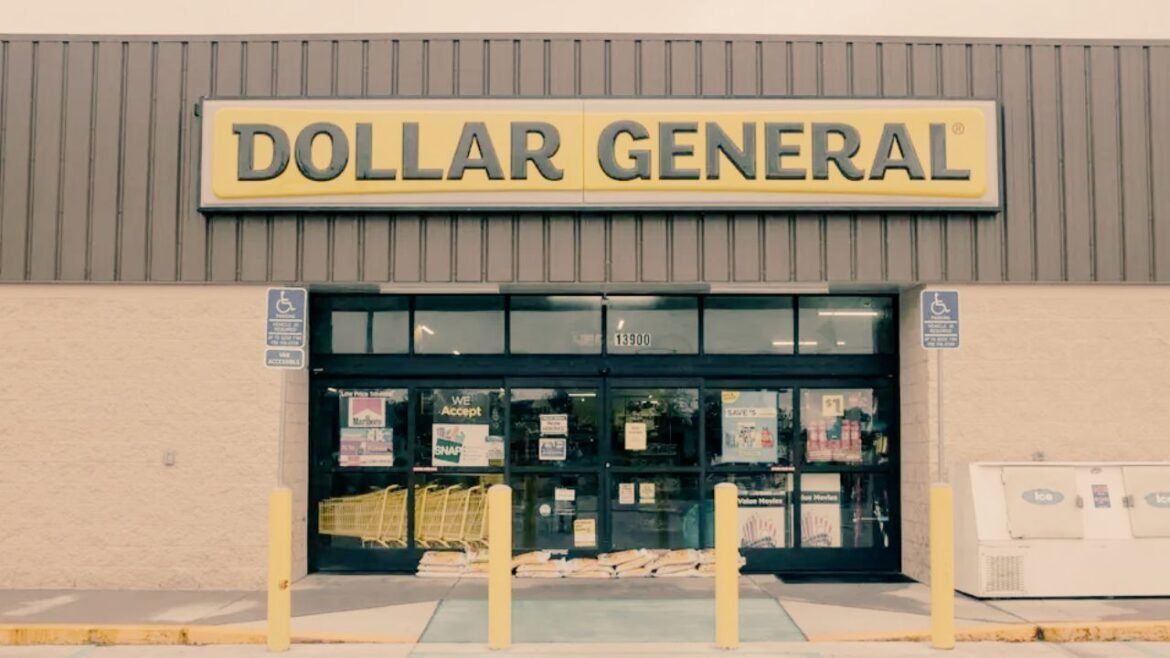
If you’ve seen headlines about Dollar General closing stores, you might be wondering if the chain is on its way out. The short answer: no, it’s not. The longer answer is worth understanding—especially if you shop there regularly or want to make sense of what’s actually happening in retail right now.
This article breaks down exactly how many stores are closing, why, what it means for shoppers, and whether Dollar General is in real financial trouble or just doing normal business housekeeping.
Dollar General Is Not Shutting Down
Let’s get this out of the way first. Dollar General is not going out of business, filing for bankruptcy, or shutting down nationwide.
As of early 2024, the company operated around 20,388 stores across the contiguous U.S. and Mexico. That makes it one of the largest discount retailers in the country. It has locations in 48 states—every state except Alaska and Hawaii.
What’s happening is that a small number of underperforming locations are being closed. The company’s own CEO confirmed that the closures represent less than 1% of its total store count. That’s a targeted cleanup, not a collapse.
There’s a big difference between a company closing a handful of locations and a company going out of business. Dollar General is doing the former.
The Exact Scope of the 2025 Store Closures
Dollar General announced the closures as part of its Q4 and full-year fiscal 2024 earnings report, released on March 13, 2025. Here’s what was confirmed:
- 96 Dollar General stores will be closed
- 45 pOpshelf stores will be closed
- 6 pOpshelf locations will be converted into Dollar General stores instead of closing
That brings the total number of affected locations to roughly 141. Most closures are expected to happen during the first quarter of fiscal 2025, with some starting around May 2025.
To put 96 Dollar General closures in perspective: that’s about 0.5% of its 20,000-plus store footprint. Even counting all 141 affected locations, you’re still looking at roughly 0.7% of the chain’s total presence.
One thing to note: Dollar General has not released a full public list of which specific locations are closing. When asked, the company did not provide a detailed breakdown. So if you’re trying to find out about your local store, the best approach is to check the store directly or watch for posted notices.
Why Dollar General Is Closing These Stores
Dollar General says it completed a store portfolio optimization review during Q4 of fiscal 2024. The review looked at individual store performance, current operating conditions, and projected future performance.
The stores being closed are ones that are underperforming and unlikely to become profitable. This isn’t a company in panic mode—it’s a company trimming locations that aren’t pulling their weight.
Think of it like a landlord who owns 20 properties. If two of them consistently lose money and have no realistic path to profitability, selling or closing them is the sensible move. That frees up resources to focus on what’s actually working. Dollar General is applying the same logic.
There are also real external pressures at play. Inflation has squeezed margins at the low end of retail, and consumer spending has slowed. These conditions make it harder for marginal stores to stay in the black. Closing them now is a practical response, not a distress signal.
This kind of portfolio management is routine in retail. Large chains regularly open and close locations based on performance data. The fact that it’s making headlines is partly a reflection of how “Dollar General closing stores” sounds scarier than it actually is at this scale.
What Happens to pOpshelf—and Why It Matters
About a third of the affected locations are pOpshelf stores, so it’s worth explaining what that brand actually is.
pOpshelf is Dollar General’s home décor and value retail concept. It was designed to appeal to a slightly different shopper than the core Dollar General format—think seasonal items, party supplies, and affordable home goods. It’s positioned a step above the traditional Dollar General store in terms of product mix and store feel.
With 45 pOpshelf locations closing and 6 more being converted back to the Dollar General banner, it’s clear the company is pulling back on this concept where it isn’t performing well. That doesn’t mean pOpshelf is being killed off entirely—Dollar General framed this as part of its broader portfolio review, not a full abandonment of the brand.
What it does signal is that when performance doesn’t justify running two formats in a market, Dollar General is prioritizing its core stores. That’s a reasonable call for a company trying to protect profitability.
This kind of retail experimentation is normal. A company launches a new format, tests it across different markets, measures results, and scales back where it doesn’t work. That’s not failure—it’s how disciplined retailers operate.
How These Closures Affect Shoppers and Local Communities
If a Dollar General near you is closing, here’s what to expect on the ground. Closing stores typically post notices with final operating dates. You’ll often see “Store Closing – Everything Must Go” signage and liquidation sales, where shoppers can find discounted prices on remaining inventory. These sales tend to draw crowds, so if you want the best selection, go early.
After the closure, customers will need to find the next nearest Dollar General or an alternative discount retailer. In suburban and urban areas, that’s usually not a major inconvenience. But in rural communities, it can be a real problem.
Dollar General has a significant presence in small towns and rural areas, where it often serves as one of the only nearby options for groceries and household essentials. If a store in one of those communities closes, residents might face a drive of 10 to 15 miles or more to reach the next option. That matters, and it’s worth acknowledging even if the company’s overall closure count is small.
How This Compares to What Other Retailers Are Doing
Dollar General’s closures don’t exist in a vacuum. The broader retail landscape has seen significant store closure activity across many chains.
Dollar Tree and Family Dollar have announced plans to close around 1,000 stores. Macy’s, Kohl’s, Joann, and Forever 21 have all announced substantial closures of their own. Across the entire U.S. retail sector, thousands of store closures happen every year.
This is the normal rhythm of retail. Stores open, stores close, and companies constantly adjust their footprint based on what the data tells them. Dollar General closing 96 locations is not an outlier event—it’s a modest adjustment by a company that still operates more than 20,000 stores.
For more context on how businesses navigate these kinds of decisions and restructuring moves, Open Business Point covers practical business news and analysis worth bookmarking.
What to Watch Going Forward
The current round of closures is not necessarily the last word. Here are a few things worth watching if you want to track how Dollar General is actually doing:
- Earnings reports: Dollar General releases quarterly results. If future reports show continued store closures at a much larger scale, that would be a more meaningful signal.
- Consumer spending trends: Dollar General’s core customer base is heavily affected by inflation and wage levels. If those conditions worsen, margins could tighten further.
- Competition from other discounters: Walmart, Aldi, and other value-focused retailers are all competing for the same budget-conscious shoppers.
- pOpshelf’s future: Watch whether Dollar General quietly expands or completely pulls the plug on the concept over the next few quarters.
If you see news about Dollar General closing stores in the future, apply the same basic test: How many stores are affected relative to the total? Is the company profitable overall? Are there credible reports of bankruptcy or full-scale shutdown? If the answers point to a small percentage of locations and no bankruptcy filing, you’re likely looking at routine portfolio management again.
The Bottom Line
Dollar General is not going out of business. It is closing 96 stores and 45 pOpshelf locations—roughly 0.7% of its total footprint—as part of a deliberate review of underperforming stores. Six pOpshelf locations are being converted to Dollar General stores rather than shut down entirely.
The closures reflect real pressures: inflation, tighter consumer budgets, and the challenge of keeping marginal stores profitable. But they also reflect a company actively managing its portfolio rather than letting problem locations drain resources.
For shoppers, the practical takeaway is straightforward. If your local store is closing, watch for liquidation sales and identify your next nearest option. If your store isn’t closing, nothing changes. And if you’re trying to assess whether a retail chain is in real trouble, look past the headlines and focus on the numbers—the percentage of stores affected, profitability trends, and whether bankruptcy is actually on the table.
In Dollar General’s case, right now, the numbers tell a very different story than the alarming headlines suggest.
Also Read: